- Your cart is empty
- Continue Shopping


Product

Virest 400mg ACYCLOVIR
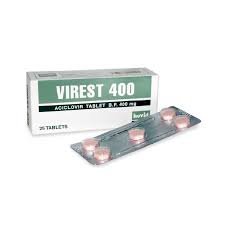
Virest 400mg ACYCLOVIR
₦3,000.00
Critical Health Warning: Kidney Function
- Hydration Necessity: Aciclovir can form crystals in the kidneys if you become dehydrated. You must drink large amounts of water throughout the treatment period to flush the kidneys.
- Pre-existing Kidney Problems: If you have renal impairment, your body cannot clear the drug properly. Your doctor must adjust and lower your dosage to prevent drug toxicity.


Add to cart
Buy Now
1. Selective Activation
The medication enters your body in an inactive form. It only becomes active inside cells that are infected by the virus because it requires a specific viral enzyme called thymidine kinase to trigger its first chemical transformation. Healthy cells lack this enzyme, meaning the drug leaves them completely alone.
2. Enzyme Conversion
Once the virus inadvertently activates the drug, your body’s natural cellular enzymes complete the transformation, turning it into acyclovir triphosphate. This active compound selectively concentrates inside the infected cells at levels up to 100 times higher than in healthy tissue.
Related products
Hot
Hot