- Your cart is empty
- Continue Shopping

How Telemedicine and Mobile Health Apps Are Changing Healthcare in Northern Nigeria
- Research & Innovations
- Posted on
-
by yusufmisau@gmail.com
- 0 comments



 by
yusufmisau@gmail.com
by
yusufmisau@gmail.com
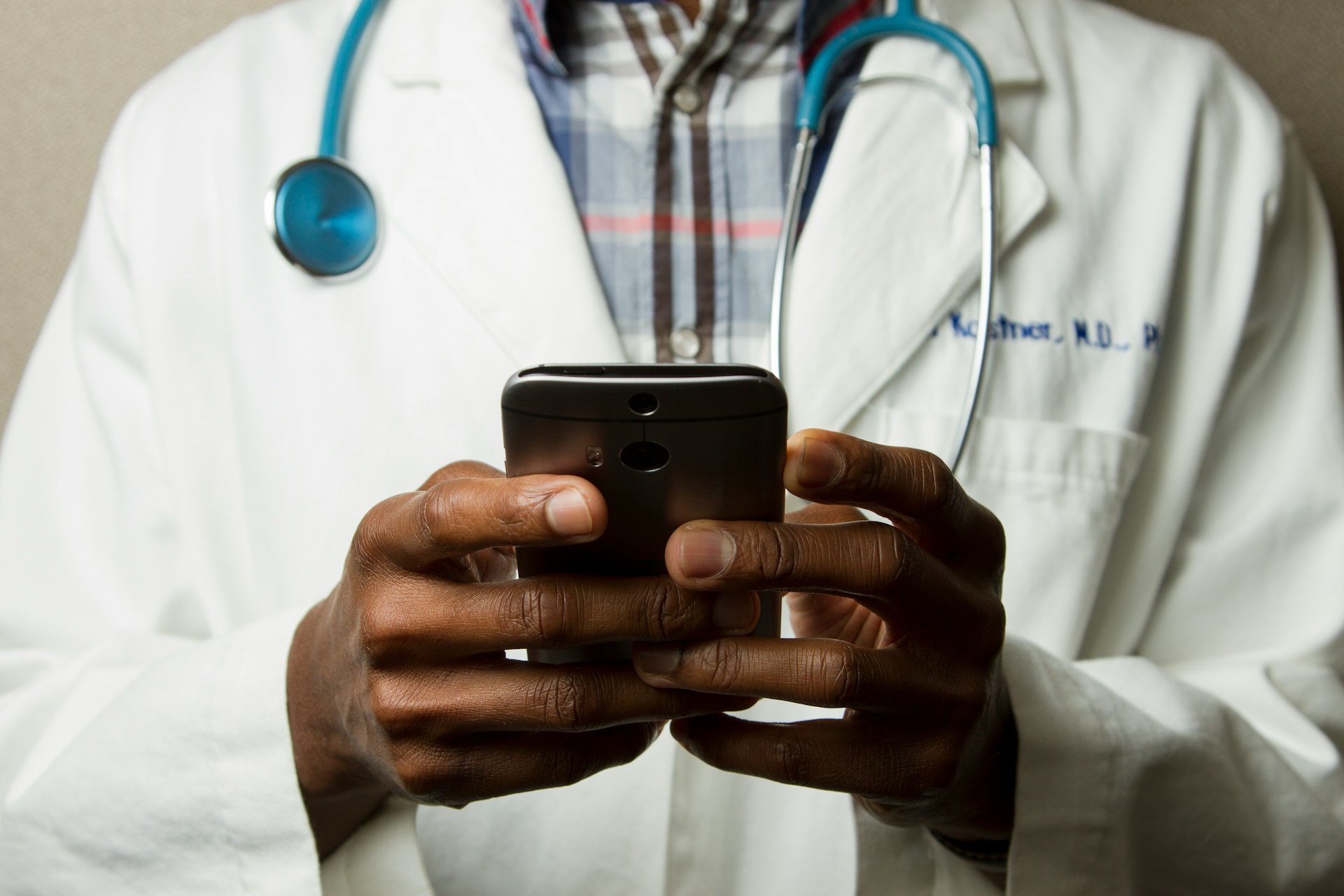
Healthcare in Northern Nigeria is improving with the help of new digital tools. Many people now use mobile phones to get medical advice and health information. Telemedicine which means receiving healthcare through phone calls or online platforms is helping families in both towns and rural communities. This new approach is reducing stress and helping people get quicker care when they need it.
Telemedicine allows patients to talk to doctors or nurses without visiting a hospital. They can ask questions through phone calls video calls or health apps. This is very helpful in places where hospitals are far or where transport is difficult. It also saves time because patients do not need to sit for long hours in the waiting room.
Many communities in Northern Nigeria face challenges like long distances to clinics shortage of health workers and busy hospital queues. More people now have smartphones and internet access. Because of this they can use mobile apps and call centres to speak with trained health workers. Telemedicine is becoming popular because it provides quick answers and reduces unnecessary hospital visits.
There are several health apps in Nigeria that make healthcare easier. Some apps allow patients to chat with doctors. Others help people book appointments order medicines or check symptoms. A few apps also send reminders for vaccination days antenatal visits and chronic disease checkups. These features make it easier for families to stay on top of their health needs.
Telemedicine has been very useful for pregnant women. Many apps provide guidance on pregnancy nutrition danger signs and when to visit the clinic. Mothers can ask questions and get advice without leaving home. This helps reduce fear and confusion and supports safer pregnancy care in areas with limited hospital access.
Telemedicine is especially important in rural communities where health facilities are few. A patient can speak with a doctor even if the nearest clinic is far away. Health workers in these areas can also call specialists in bigger cities to get advice about complicated cases. This teamwork helps improve the quality of care for everyone.
People living with conditions like diabetes hypertension and asthma can use telemedicine to monitor their health. Regular check ins through calls or apps help them follow their treatment plan. This reduces the number of emergency visits and helps patients stay healthier.
Telemedicine is growing but there are still challenges. Some communities have poor network coverage. Not everyone can afford smartphones or data. Some people also prefer face to face consultations because they trust it more. With time better network service more awareness and affordable phones will help solve these problems.
Some nutrients work directly to build strong bones, while others help protect your joints from damage. These nutrients help reduce inflammation, improve movement, and support overall bone health. Adding them to your meals doesn’t require anything complicated.
Telemedicine is not replacing hospitals. Instead it is supporting them and making healthcare easier to reach. As more people learn how to use mobile health tools patients will get faster advice and health workers will be able to serve more people. This new system is helping Northern Nigeria move toward a healthier and more connected future.