- Your cart is empty
- Continue Shopping

New Advances in Malaria Treatment and Local Research Efforts
- Research & Innovations
- Posted on
-
by yusufmisau@gmail.com
- 0 comments


 by
yusufmisau@gmail.com
by
yusufmisau@gmail.com
Malaria is still one of the most common illnesses in Nigeria, especially in the northern part of the country. Many families in Bauchi deal with malaria every rainy season, so any new improvement in treatment or prevention is important. In this post we will look at some of the latest updates and what they mean for people in our community.
For many years scientists have been working on malaria vaccines. Two vaccines, called RTS,S and R21, have shown good results in young children. These vaccines do not stop malaria completely but they reduce the number of times children fall sick and help prevent severe cases.
What this means for Bauchi: as the vaccines continue to roll out across Nigeria, they will reach more states. When they become available in Bauchi, parents will be able to get their children vaccinated at their primary health centres. This will work together with other methods like bed nets to protect children.
Health experts continue to improve malaria drugs. The common treatment used in Nigeria is ACT which stands for Artemisinin Combination Therapy. Researchers are monitoring malaria parasites to make sure these drugs continue to work well. There are also studies on new medicines that may offer faster or longer lasting treatment in the future.
What this means for families
It is important to get tested before taking malaria medicine. It is also important to complete the full treatment once a health worker prescribes it. Buying drugs from untrusted roadside vendors can be risky because some medicines may be fake or weak.
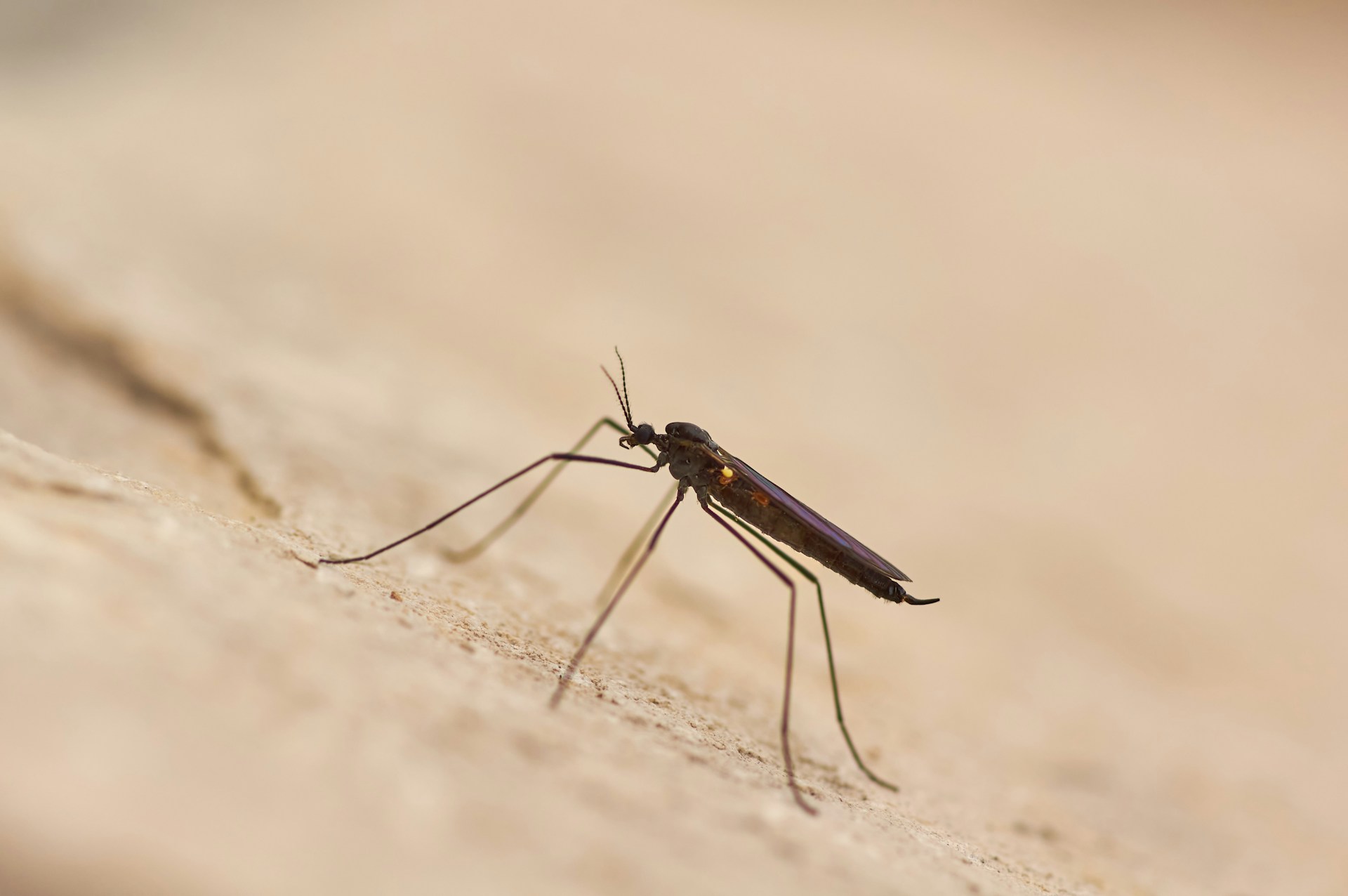
Mosquitoes are becoming smarter in many places. Some are developing resistance to old insecticides. Because of this, new types of insecticide treated nets have been introduced. These new nets are stronger and work better against resistant mosquitoes. Some areas also receive indoor spraying to reduce mosquito numbers.
What you can do
Make sure the family sleeps under treated nets every night. Hang the net properly and repair small holes with needle and thread. If indoor spraying is happening in your area, allow the health team to spray the house.
One challenge in many rural parts of Nigeria is electricity. Some vaccines and medicines need to stay cold. New solar powered refrigerators are now being used in health centres to keep vaccines safe. This helps clinics in villages and small towns offer better services all year round.
Nigerian researchers are doing important work to understand how malaria behaves in different states. Some studies check which mosquito species are common. Others look at which insecticides still work well. There are also surveys on how people use bed nets and how they seek treatment. This kind of information helps health workers plan better programs that fit the culture and needs of each community.
Sleep under a treated mosquito net every night
Go to a health centre quickly when fever starts
Take only recommended malaria medicines from trained health workers
Follow announcements from local health authorities about malaria vaccines
Support health surveys and allow researchers to collect information when they visit the community
Malaria is still a challenge in Nigeria but the good news is that new tools are arriving. With vaccines, better medicines, improved nets and strong community cooperation, the fight against malaria will become easier and safer for everyone.