- Your cart is empty
- Continue Shopping

Understanding High Blood Pressure: What Patients Should Know
- Disease Awareness & Management
- Posted on
-
by yusufmisau@gmail.com
- 0 comments


 by
yusufmisau@gmail.com
by
yusufmisau@gmail.com High blood pressure, also known as hypertension, is one of the most common health conditions worldwide. What makes it particularly dangerous is that it often develops quietly without pain, discomfort, or any clear warning signs. Many people discover it only during routine check-ups, and by then, it may have already caused stress on the heart or blood vessels. Knowing what high blood pressure really means is the first step toward taking control of it.
Blood pressure measures how hard your blood pushes against your artery walls. When this pressure is consistently too high, it forces the heart to work harder to pump blood throughout the body. Over time, uncontrolled hypertension increases the risk of heart disease, stroke, kidney damage, and other serious complications. The condition may be silent, but its effects can be life-changing, which is why awareness and prevention matter so much.
You might be surprised by the number of everyday factors that influence blood pressure. Stress, poor diet, lack of sleep, dehydration, and certain medications can cause temporary spikes. Meanwhile, long-term habits like eating too much salt, not being active, or smoking can create a steady rise. Identifying your personal triggers helps you prevent those numbers from creeping higher over time.
If you’re monitoring your blood pressure, pay attention to these key areas:
Diet: Reduce sodium and choose more whole foods.
Exercise: Aim for at least 30 minutes of activity most days.
Weight management: Losing even a small amount can help.
Stress control: Breathing exercises, meditation, or quiet breaks help lower tension.
Medication adherence: If prescribed, take your medicine consistently.
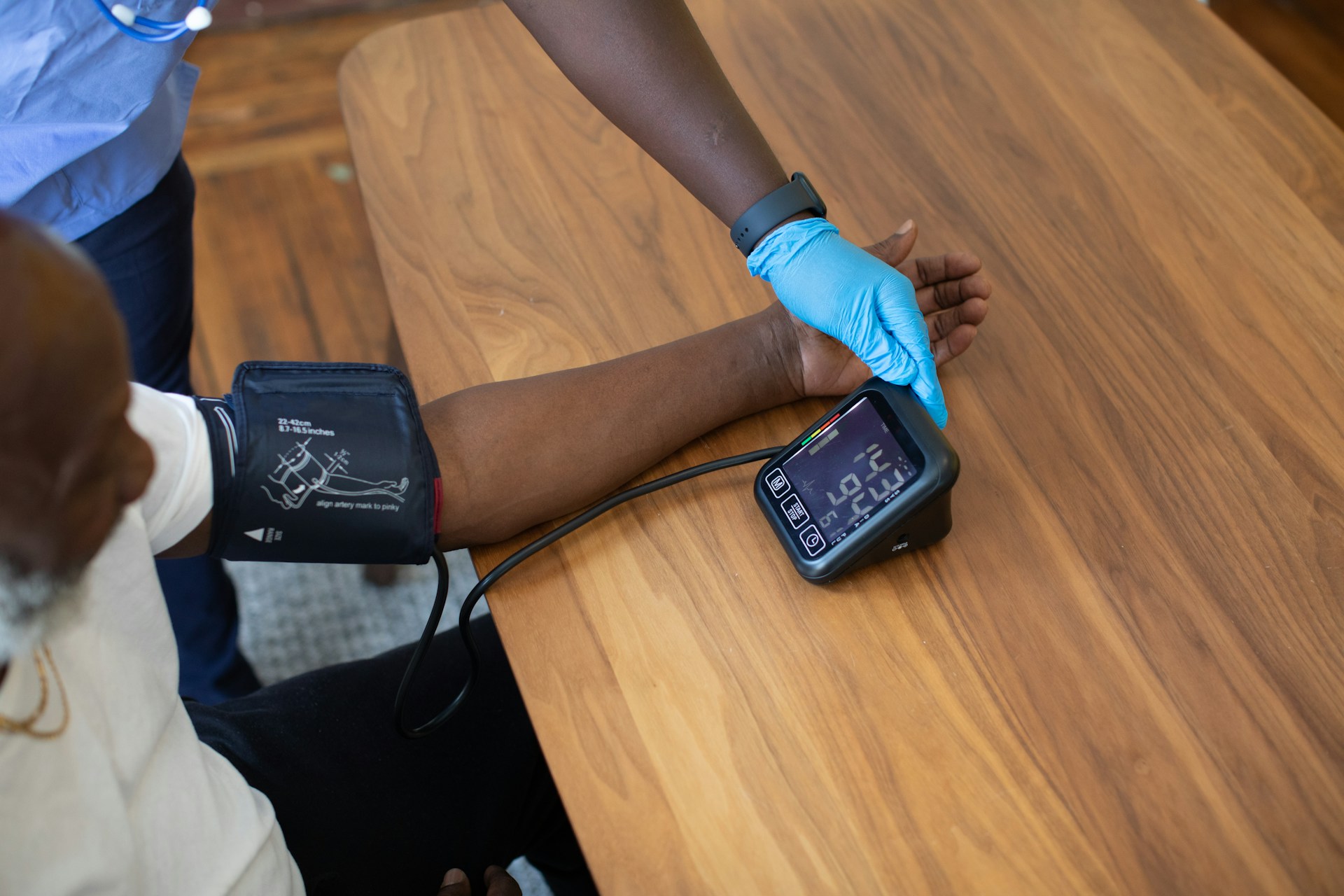
Routine checks: Home monitors make it easier to track changes early
Managing hypertension isn’t about quick fixes, it’s about steady habits. Small changes, like walking daily or adjusting your salt intake, can create meaningful improvements over time. If your doctor prescribes medication, following the plan is essential for keeping numbers in a safe range. By staying informed and proactive, you protect your heart, support your long-term wellbeing, and strengthen your overall health one step at a time.