- Your cart is empty
- Continue Shopping

Asthma Basics: Triggers, Symptoms & Treatment Options
- Disease Awareness & Management
- Posted on
-
by yusufmisau@gmail.com
- 0 comments


 by
yusufmisau@gmail.com
by
yusufmisau@gmail.com Asthma is a condition that makes the airways in your chest become tight and narrow, making it harder for air to pass through. For some people, it starts in childhood. For others, it shows up later in life. The tricky part is that asthma can be calm today and flare up tomorrow. Knowing how it works helps you stay ready instead of being caught off guard.
When asthma becomes active, the chest can feel tight, you may cough more than usual, or you may hear a wheezing sound when you breathe. These symptoms can come slowly or suddenly, depending on what triggered them. Even when symptoms seem light, they should not be ignored. Good control helps you sleep better, stay active, and live your normal life without fear of sudden attacks.
Asthma attacks don’t just happen on their own, something usually triggers them. For some people, it’s dust or cold air. For others, it may be smoke from cooking or generators, strong perfume, or even exercise. No two people react the same way. Paying attention to what causes your symptoms helps you avoid flare-ups and stay in control.
Here are some common asthma triggers many people experience:
Dust and dirty rooms
Cold air or rainy weather
Smoke from cigarettes, generators, or burning firewood
Strong perfume or sprays
Cat or dog fur
Flu, cough, or chest infections
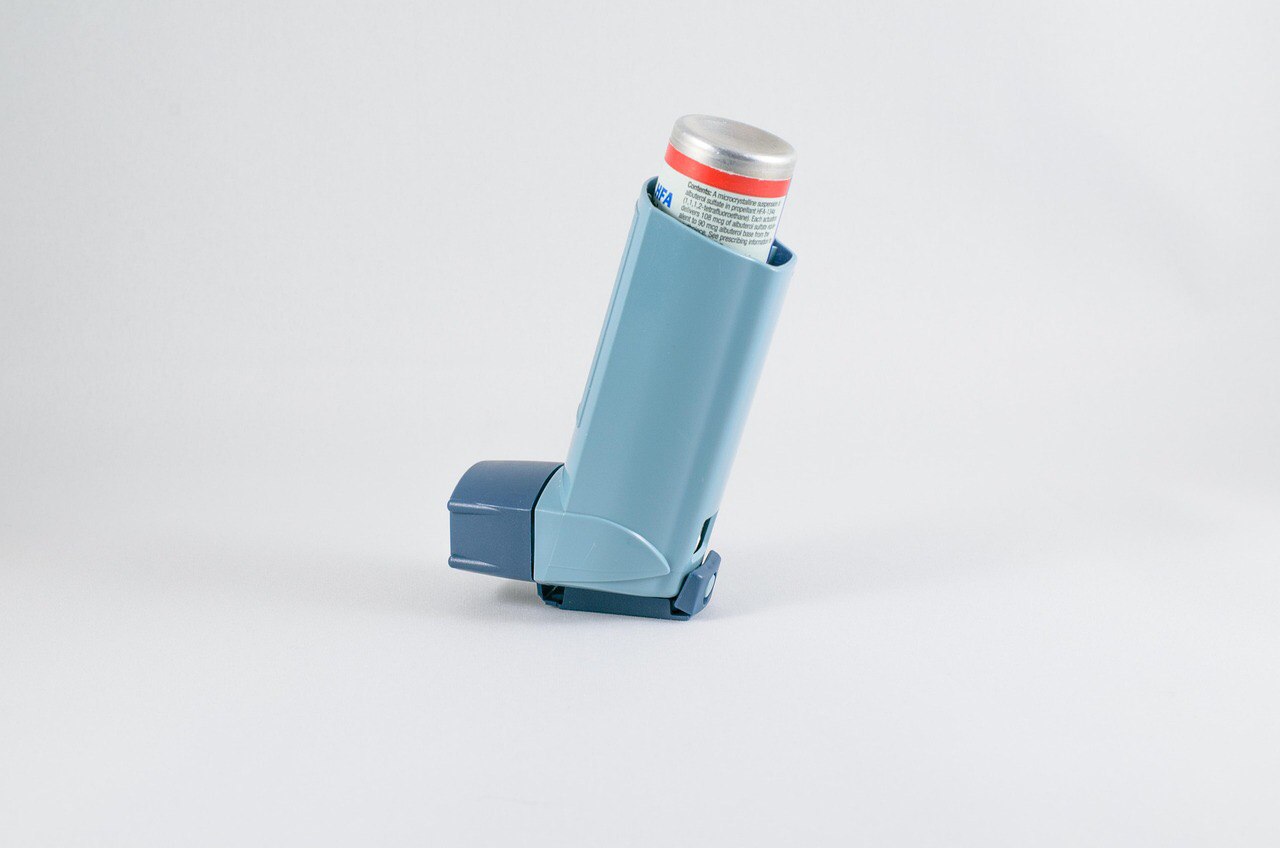
Asthma is easier to manage when you follow the right steps. Quick-relief inhalers help you breathe easier during sudden symptoms, while daily inhalers help reduce swelling in your airways and prevent attacks. Some people also need allergy medicine or regular check-ups. Keeping your room clean, avoiding smoke, and using your inhaler correctly are simple steps that make a big difference. With the right care, most people with asthma live full, active lives with fewer breathing problems.