Product

Kenalog Injection
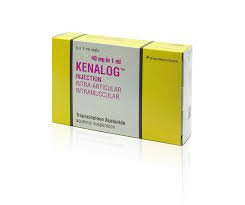
Kenalog Injection
₦3,000.00
Essential Safety Cautions
- Immune Suppression: Kenalog significantly lowers your immune system’s ability to fight off illnesses. You should not receive this injection if you currently have a fungal infection or any unmanaged bacterial or viral infection.
- Tissue Dimpling (Atrophy): When given in the muscle, it must be placed deeply into the buttock. Shorter needles can cause the steroid to leak into the superficial fat layers, leading to permanent dimpling, thinning of the skin, or local color changes.
Add to cart
Buy Now
1. Cellular Entry and Receptor Binding
Once injected, the triamcinolone molecules pass easily through cell membranes. Inside the cell, they bind tightly to specific targets called glucocorticoid receptors. This binding activates the receptor, allowing it to move directly into the cell’s nucleus (the control center).
2. Modifying Genetic Instructions
Inside the nucleus, the activated receptors attach to your DNA to alter how the cell creates proteins. It carries out a dual action:
- Turning Off Inflammation: It blocks the genes responsible for producing inflammatory chemicals like cytokines, interleukins, and pro-inflammatory enzymes (such as COX-2).
- Turning On Suppression: It activates genes that manufacture anti-inflammatory proteins, which act as natural peacekeepers within the tissue.
Related products
Hot
Hot
Hot